Posts

Showing posts with the label North India

Amritsar Golden Temple – The Glittering Abode
Image
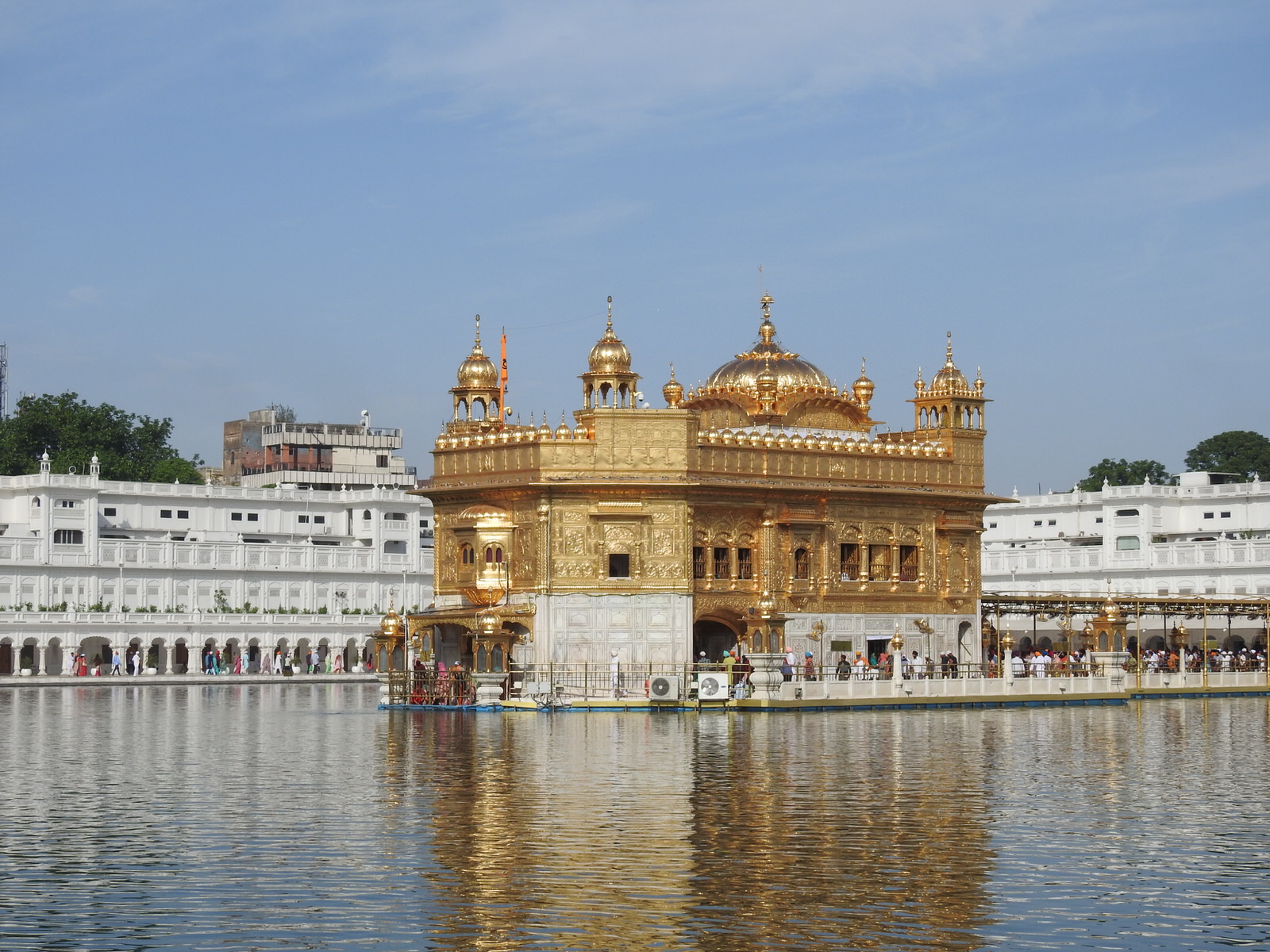
Golden Temple, also known as Sri Harmandir Sahib, is a prominent spiritual centre in Punjab, India and is considered the holiest shrine in Sikhism. Located right in the heart of Amritsar, Golden Temple is visited by people from all over the world who come here to seek spiritual solace and religious fulfillment. In spite of the thousands of daily visitors, often the only voice you will hear around you is sweet silence, interspersed with chants of the Sikh prayers. The first Harmandir Sahib was built in 1604 by Guru Arjan, the fifth Sikh Guru and subsequently the temple was destroyed several times by Afghan invaders. It was rebuilt in marble and copper, overlaid with gold foil, during the reign of Maharaja Ranjit Singh (1801–39). This structure came to be known as the Golden Temple. The Harmandir Sahib itself sustained damages on June 6, 1984, when Indian troops fought their way into the temple complex to dislodge Sikh extremists who had been using it as a fortress and refuge. The Akal T...

Patna – The Hub of Buddhist Tourism in India

Image
Patna, also known as Pataliputra, is the capital and largest city of the state of Bihar in India. Patna is the second-largest city in Eastern India after Kolkata. Patna was founded in 490 BCE by the king of Magadha. Pataliputra was a seat of learning and fine arts. Patliputra was home to many astronomers and scholars including Aryabhata, Vatsyayana and Chanakya. Megasthenes, the Indo-Greek historian and ambassador to the court of Chandragupta Maurya, gave one of the earliest accounts of the city. He described the city as the greatest city on earth during its heyday. A number of Chinese travelers came to India in pursuit of knowledge and recorded their observations about Pataliputra in their travelogues. One such famous account was recorded by a Chinese Buddhist traveler Fa Hien, who visited India between 399 and 414 CE, and stayed here for many months translating Buddhist texts. The ancient city of Pataliputra was founded in the 5th century BCE by Ajatashatru, king of Magadha. His...

Gurdwara Sri Tarn Taran Sahib

Image
Situated 30 kms from Amritsar, Tarn Taran Sahib is a town in the Majha region of the state of Punjab, in northern India. Gurdwara Sri Tarn Taran Sahib, a prominent Sikh shrine is located in the central part of the city. The site has the distinction of having the largest water pond (sarovar) of all the Gurdwaras in the world. The water pond runs nearly 1000 feet by 750 feet. According to Sikh tradition, the water of the pond was found to possess medicinal properties, especially efficacious for curing leprosy. For this reason the sarovar is also known as Dukh Nivaran - meaning “the eradicator of affliction”. Tarn Taran Sahib was founded by the Fifth Sikh Guru, Shri Guru Arjan Dev Ji (1563–1606). He was so enchanted by its natural beauty that he established a town and named it Tarn Taran - meaning “the boat to cross the ocean of existence”. He laid the foundation of Sri Tarn Taran Sahib Temple. The Gurdwara is an elegant, three-storied structure at the south-eastern corner of the ...

Vadodara - The Cultural Capital of Gujarat

Image
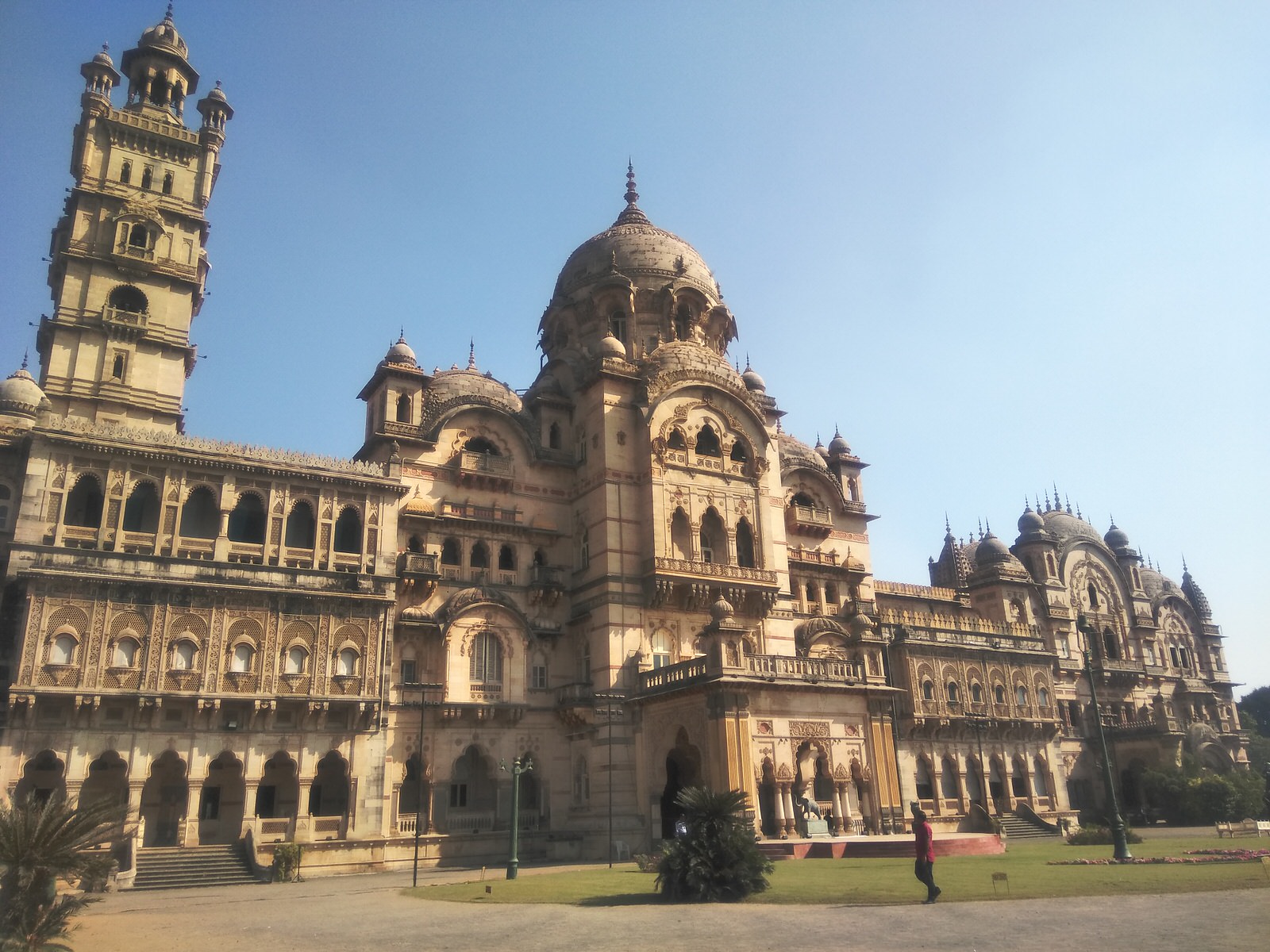
Vadodara, a city in Gujarat in India, also known as Baroda, is named for the vad (banyan) trees that flourish in the area. Vadodara City is also known as cultural capital of Gujarat. The city has a cosmopolitan mixture of Indian nationals as well as that of Non Resident Indians with various tourists visiting this city. The major residents of this City happen to be from the native land of Gujarat and speak Gujarati. Being a multicultural mix, the city has people who are generally found to be able to speak Gujarati, Hindi, Marathi, Sindhi as well as English. For the people of Vadodara today, it's modern history begins with Sayajirao III. Maharaja Sayaji Rao III, who took the throne in 1875, did much to modernize Baroda, establishing compulsory primary education, a library system and the Maharaja Sayajirao University of Baroda. He also encouraged the setting up of textile factories, which helped create Baroda's textile industry. He is well known for offering B. R. Ambedkar a...

Wagah Border Ceremony - Daily Patriotic Fervor

Image
Attari, also spelled Atari, is a village of Amritsar District in the Punjab state of India, 3 kms from the Indo-Pakistani border at Wagah. It is situated 25 kms west of the Sikh holy city of Amritsar. It is the starting point of the National Highway 1, part of the historic Grand Trunk Road and is also part of AH1, the longest route of the Asian Highway Network. This small village has gained a prominent place in Indian tourism owing to the flag lowering ceremony that takes place here at the border everyday before sunset on both sides of the nations. The Wagah Border Ceremony, more popularly known as Beating Retreat Ceremony, was started in 1959. The occasion is to symbolically close the border for the night and lower the National Flags of both nations. The Flag Lowering Ceremony is done everyday before sunset. Free entry starts on the Indian side at around 4 PM into a large semi-circular open stadium built specially for the ceremony. There is a smaller stadium built on the Pa...

Statue of Unity - World's Tallest Statue

Image
The Statue of Unity is a colossal statue of Indian statesman and independence activist Sardar Vallabhbhai Patel (1875–1950), who was the first Deputy Prime Minister and Home minister of independent India and the chief adherent of Mahatma Gandhi during the non-violent Indian Independence movement. It is the world's tallest statue with a height of 182 metres (597 ft). The number 182 represents the total democratic assembly constituencies in the state of Gujarat. Patel was highly respected for his leadership in uniting the 552 princely states of India to form the single Union of India, aptly conferring him the title of "The Iron Man of India". It is located in the state of Gujarat, India, on a river facing the Sardar Sarovar Dam on river Narmada in Kevadiya colony, 100 kms southeast of the city of Vadodara and 150 kms from Surat. The project was first announced in 2010 and the construction of the statue started in October 2013 by Larsen & Toubro. At the time,...

Hemkund Sahib – Highest Gurudwara in the World

Image
Nestled amid the Himalayan Ranges, Sri Hemkund Sahib is a sacred pilgrimage revered by thousands of Sikhs every year. Literally meaning ‘Lake of Snow’, this holy pilgrimage site is perched at an altitude of 4329 m above the sea level and lies in the backdrop of snow – clad mountains. This place of worship and pilgrimage site is in Chamoli district, Uttarakhand, India. It is approached from Gobindghat on the Rishikesh-Badrinath highway. The main town near Gobindghat is Joshimath. The shrine is also known as Gurudwara Shri Hemkunt Sahib and can be reached by trekking through numerous waterfalls, thick forest and captivating views of the Himalayas. The gurudwara is open only for a few months and closes down during the extreme winter months. Visited by a myriad of devotees from all around the globe, it accounts for the highest Gurudwara of the Sikh community. A Hindu shrine dedicated to mythological hero Lakshmana is attractive for Hindu Pilgrims. This temple is built on the banks o...

Ahmedabad – A Legacy of Empires

Image
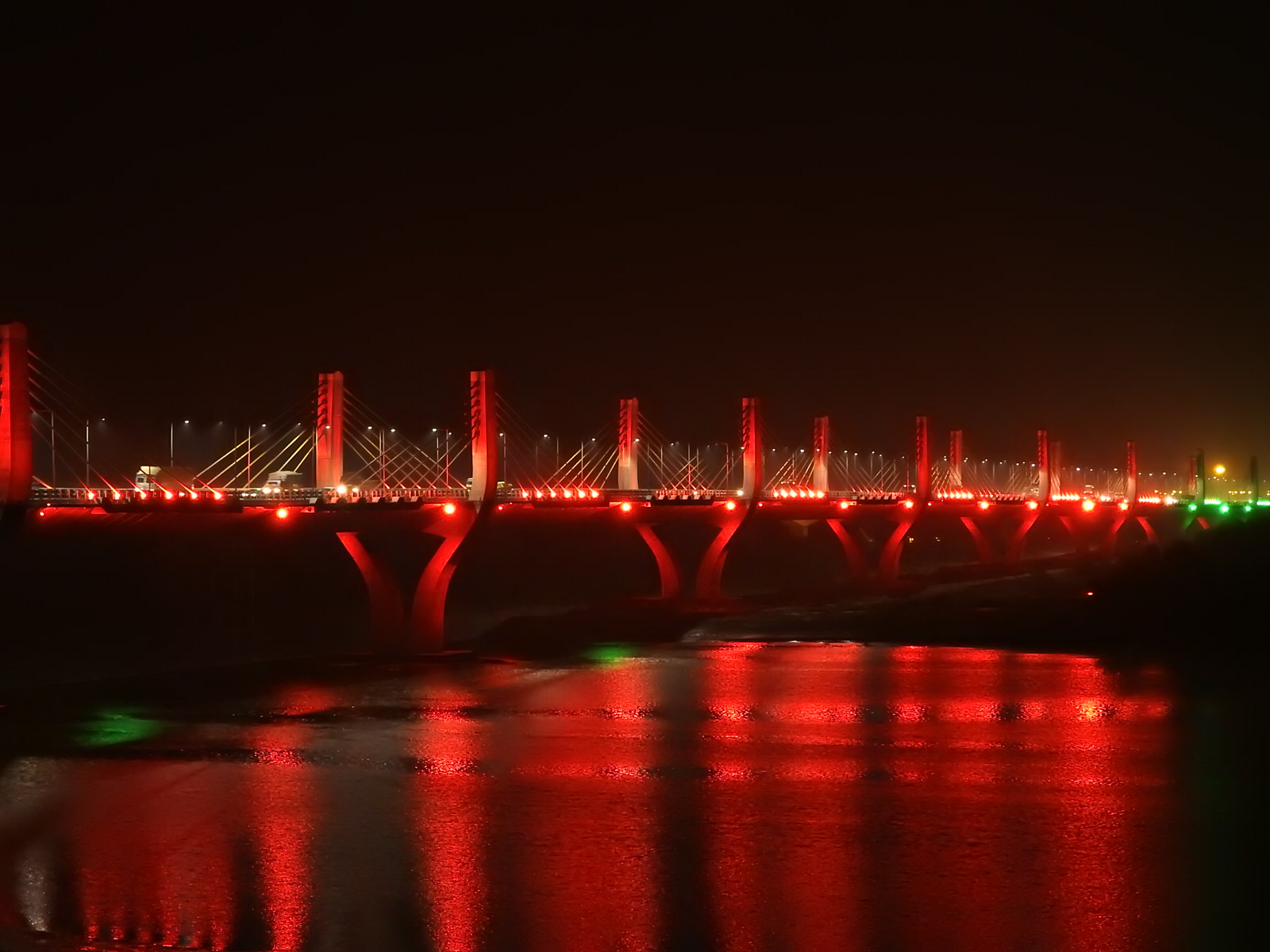
Ahmedabad (also called Amdavad, Ahmadabad or Ahemdavad), Gujarat’s major city, grows on you. Yes, during peak hours with traffic, noise, and air so thick you can chew it, the place can be a little overwhelming, but it’s well worth taking the time to get to know this remarkable city. It wins you over with its wealth of architecture – from centuries-old mosques and mausoleums to cutting-edge contemporary design. Then there’s the fascinating maze of an old quarter, excellent museums, fine restaurants, a bustling street-food scene and the tranquility of the Sabarmati Ashram (Gandhi’s former headquarters). It was the capital of Gujarat until the establishment of Gandhinagar, though a lot of people still believe the former to be the capital. The city has seven bridges which connect the historic city to the modern or the commercial part of the city. It is known for its handicrafts, theme-based restaurants and traditional cuisine. Ahmedabad city has witnessed the rule of different dynastie...

Rishikesh – World Capital of Yoga

Image
Rishikesh is a small town in the northern state of Uttarakhand in India. Scenically located where the Ganges River comes down from the Himalayas, Rishikesh catapulted to Western fame when the Beatles dropped by for a visit to Maharishi Mahesh Yogi’s ashram (now closed), and the town is still known as the World Capital of Yoga. Since the late ’60s, it has been a magnet for spiritual seekers. Most of the action is north of the main town, where the exquisite setting on the fast-flowing Ganges, surrounded by forested hills, is conducive to meditation and mind expansion. It is also the Gateway to the Himalayas. The Char Dham Yatra (Four Shrines Sacred Journey) ideally begins from Rishikesh. Rishikesh is not all about spirituality only; it’s now a popular white-water rafting centre and backpacker hang-out. The center of town where the train and bus stations can be found is of little interest to most travelers. Further north-east are 2 bridges spanning the Ganges, Ram Jhula and Lakshman ...

Bharuch – Oldest City of Gujarat

Image
Bharuch, formerly known as Broach, is a city at the mouth of the river Narmada in Gujarat in western India. It is the oldest city of Gujarat. It is also the second-oldest city of India having continuous inhabitation, first being Kashi (Varanasi). It has a known history for about 8000 years. Being one of the biggest industrial areas including Ankleshwar, it is also referred to as the chemical capital of India. The city and its surroundings have been settled since times of antiquity. It was a ship building centre and sea port in the pre-compass coastal trading routes to West, perhaps as far back as the days of the Pharaohs. The route made use of the regular and predictable monsoon winds or galleys. Many goods from the Far East were shipped there during the annual monsoon winds, making it a terminus for several key land-sea trade routes. Bharuch was known to the Greeks, the various Persian Empires, in the Roman Republic and Empire, and in other Western centres of civilisation throu...

Valley of Flowers – Full Bloom of Nature

Image
Valley of Flowers is a vibrant and splendid national park reposing in West Himalayas, India. Nestled in Uttarakhand, this alluring place is famous for its charming meadows of alpine flowers. Endowed with a diverse range of endemic flora, it is picturesque in its beauty. This lush region is also home to some rare and endangered animal species. You may spot animals like Asiatic black deer, snow leopard, musk deer, red fox, brown bear and blue sheep. High in the lofty Himalayas of the Garhwal region sprawls this enchanting valley. Legends believe it to be the place from where Hanuman had collected the Sanjeevani herb for curing Lakshmana. This place has floral pastures, running streams and beautiful backdrop of the mountains. With the verdant beauty of the snowcapped mountains in the backdrop, the green meadows and the white clouds blend to make the dreamlike Valley of Flowers trek. Perched at an altitude of 14,400 ft, this trek was a sudden discovery by British traveller Frank Smith...

Bodhgaya – Center of the Buddhist World

Image
The crucible of Buddhism, Bodhgaya was where Prince Siddhartha attained enlightenment beneath a bodhi tree 2600 years ago and became Buddha (the ‘Awakened One’). In terms of blessedness, this tiny temple town is to Buddhists what Mecca is to Muslims. Unsurprisingly, it attracts thousands of pilgrims from around the world every year, who come for prayer, study and meditation. Bodh Gaya, or Bodhgaya, is a village in the northeast Indian state of Bihar. Considered one of the most important Buddhist pilgrimage sites, it is dominated by the ancient brick Mahabodhi Temple Complex, built to mark the site where the Buddha attained enlightenment beneath a sacred Bodhi Tree. A direct descendant of the tree sits within the complex today, along with six other sacred sites, including a lotus pond. In the town, other Buddhist worship sites include the ornate Thai Temple and the Royal Bhutan Temple, with their colorful interior murals. Nearby, a path leads to the Great Buddha Statue, a colossa...

Haridwar – Gateway of Ganges

Image
Haridwar is an ancient city and municipality in the state of Uttarakhand, India. The River Ganga, after flowing for 253 kilometres from its source at Gaumukh at the edge of the Gangotri Glacier, enters the Indo-Gangetic Plains of North India for the first time at Haridwar. This gave the city its ancient name, Gangadwara (Gateway of Ganga / Ganges). It is regarded as one of the seven holiest places (Sapta Puri) to Hindus and is Uttarakhand’s holiest Hindu city. Pilgrims arrive here in droves to bathe in the fast-flowing Ganges. The sheer number of people gathering around Har-ki-Pauri Ghat (steps) every evening for the Ganga aarti gives it a chaotic but reverent feel. Within the religious hierarchy of India, it is much more significant than Rishikesh, an hour further north, and every evening the river comes alive with flickering flames as floating offerings are released onto the Ganges. Haridwar has been an abode of the weary in body, mind and spirit. It has also been a centre of ...

Varanasi – The Spiritual Capital of India

Image
Varanasi is a city in the northern Indian state of Uttar Pradesh dating to the 11th century B.C. Regarded as the spiritual capital of India, the city draws Hindu pilgrims who bathe in the Ganges River’s sacred waters and perform funeral rites. Along the city’s winding streets are some 2,000 temples, including Kashi Vishwanath, the “Golden Temple,” dedicated to the Hindu god Shiva. Ghats in Varanasi are riverfront steps leading to the banks of the River Ganges. The city has 88 ghats. Most of the ghats are bathing and puja ceremony ghats, while a few are used exclusively as cremation sites. One of the most colourful and fascinating places on earth, surprises abound around every corner. This is one of the world’s oldest continually inhabited cities, and one of the holiest in Hinduism. Pilgrims come to the ghats lining the Ganges to wash away sins in the sacred waters or to cremate their loved ones. It’s a particularly auspicious place to die, since expiring here offers moksha (libera...

Nalanda – The Seat of Learning for 800 Years

Image
Nalanda was an acclaimed Mahavihara, a large Buddhist monastery in the ancient kingdom of Magadha (modern-day Bihar) in India. The site is located about 95 kilometres southeast of Patna near the town of Bihar Sharif, and was a centre of learning from the seventh century BCE to c. 1200 CE. It is a UNESCO World Heritage Site. The highly formalized methods of Vedic learning helped inspire the establishment of large teaching institutions such as Taxila, Nalanda, and Vikramashila which are often characterised as India’s early universities. Nalanda flourished under the patronage of the Gupta Empire in the 5th and 6th centuries and later under Harsha, the emperor of Kannauj. The liberal cultural traditions inherited from the Gupta age resulted in a period of growth and prosperity until the ninth century. The subsequent centuries were a time of gradual decline, a period during which the tantric developments of Buddhism became most pronounced in eastern India under the Pala Empire. At it...

Khijadiya Bird Sanctuary

Image
Khijadiya Bird Sanctuary is a bird sanctuary also known as safe haven for birds located in Jamnagar district of Gujarat, India. This small (6 sq km) sanctuary, about 12km northeast of Jamnagar, encompasses both salt- and freshwater marshlands. It hosts over 200 bird species, including rarities such as the Dalmatian pelican and black-necked stork. The sanctuary, created over the 1920’s and ’30s, is formed from two man-made dykes that separate fresh water from sea water. This creates the opportunity to simultaneously observe species that belong to each ecosystem, and some that share both. Along with the marine and fresh water habitats, there are also marshy lands, mangroves, Prosopis areas, mudflats, salt pans, creeks, forest scrub, sandy beaches, and even farmlands bordering the area. As the Khijadia Bird Sanctuary at Gujarat lies on the western-most part of the country that falls on the traditional route of the migratory birds, a large number of such birds nest here in the winte...

Pahalgam – Valley of Shepherds

Image
Pahalgam is a town on the banks of Liddar river which is 94 kilometres South East of Srinagar close to Jammu, India. Pahalgam means Valley of Shepherds. It is located at an altitude of at an altitude of 7200 ft. from sea level. The mountains surrounding the valley are breathtaking. Three main sites in the area are Chandanwari, Betaab Valley and Aru valley. Pony rides are available to a scenic meadow called Baisaran or ‘Mini Switzerland’ from city center. Baisaran is a large, grassy meadow with small rolling hills and fantastic views of the mountain peaks that surround it. Here, one can buy shawls, get photographed with exotic animals or go zorbing. Taking short breaks sipping Kashmiri Kahwa tea is a must-do thing here.

Vaishno Devi Temple

Image
Vaishno Devi Temple is a Hindu temple dedicated to the Hindu Mother Goddess or Durga, located at the Trikuta Mountains within the Indian state of Jammu and Kashmir. Vaishno Devi is also known as Mata Rani and Vaishnavi. The temple is located at a height of 5,300 ft. Vaishnavi, in the form of a five-and-a-half-foot-tall rock with three heads or ‘Pindies’ on the top is the ultimate destination of a devotee. These Pindies constitute the Sanctum Sanctorum of the holy cave known as the shrine of Shri Mata Vaishno Devi Ji, which is revered by one and all. Vaishnodevi pilgrims (yatris) visit the temple every year, numbering more than 4.5 million. It is the second most visited religious shrine in India, after Tirupathi Tirumala Venkateswara Temple. Mata Vaishno Devi temple can be reached from Katra – a small but bustling town around 45 kilometers from Jammu. The pilgrimage (yatra) begins at Katra and pilgrims have to cover around 14 kilometers of terrain on foot to reach the Sanctum S...

Narara Marine National Park

Image
Narara Marine National Park is one of the rare places in the world where one can look at corals, octopus, puffer fish, crabs, etc without having to dive into the water. It is rich in marine and bird life. It is located in Jamnagar district of Gujarat, India. The best time to visit is from December to March. One can do the 5 km walk when the tide recedes. Great place for nature lovers, families and anyone who is looking to do something different than touristy sightseeing. Note: Good footwear is a must so that one can comfortably wade through sea water.

Gulmarg – Top Ski Destination

Image
Gulmarg is a town, a hill station & a popular skiing destination in the Indian state of Jammu and Kashmir. The town is within the Himalayas and is within miles of the Line of Control between India and Pakistan. It’s legendary beauty, prime location and proximity to Srinagar naturally makes it one of the premier hill resorts in the country. Gulmarg has one of the highest cable cars in the world, reaching 3,979 metres. The two-stage ropeway ferries about 600 people per hour to and from the gondola main station in Gulmarg to a shoulder of nearby Mt. Apharwat Summit. It also has the highest green golf course in the world, at an altitude of 2,650 m. The journey to Gulmarg is half the enchantment of reaching there. Roads bordered by rigid avenues of poplar give over to flat expanses of rice fields interspersed with picturesque villages. Depending on the season, nature’s colours could be the translucent green of spring, summer’s rich emerald, or autumn’s golden hues, when scarlet c...